Showing posts with label Neurology. Show all posts
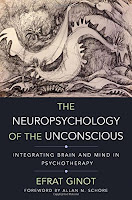
The Neuropsychology of the Unconscious: Integrating Brain and Mind in Psychotherapy
More than one hundred years after Freud began publishing some of his seminal theories, the concept of the unconscious still occupies a central position in many theoretical frameworks and clinical approaches. When trying to understand clients internal and interpersonal struggles it is almost inconceivable not to look for unconscious motivation, conflicts, and relational patterns. Clinicians also consider it a breakthrough to recognize how our own unconscious patterns have interacted with those of our clients. Although clinicians use concepts such as the unconscious and dissociation, in actuality many do not take into account the newly emerging neuropsychological attributes of nonconscious processes. As a result, assumptions and lack of clarity overtake information that can become central in our clinical work.
This revolutionary book presents a new model of the unconscious, one that is continuing to emerge from the integration of neuropsychological research with clinical experience. Drawing from clinical observations of specific therapeutic cases, affect theory, research into cognitive neuroscience and neuropsychological findings, the book presents an expanded picture of nonconscious processes. The model moves from a focus on dissociated affects, behaviors, memories, and the fantasies that are unconsciously created, to viewing unconscious as giving expression to whole patterns of feeling, thinking and behaving, patterns that are so integrated and entrenched as to make them our personality traits.
Topics covered include: the centrality of subcortical regions, automaticity, repetition, and biased memory systems; role of the amygdala and its sensitivity to fears in shaping and coloring unconscious self-systems; self-narratives; therapeutic enactments; therapeutic resistance; defensive systems and narcissism; therapeutic approaches designed to utilize some of the new understandings regarding unconscious processes and their interaction with higher level conscious ones embedded in the prefrontal cortex.
Migraine by Oliver Sacks
Migraine is an age-old – the first recorded instances date back over two thousand years – and often debilitating condition, affecting a ‘substantial minority’ of the population across the globe. In this book, Oliver Sacks offers at once a medical account of its occurrence and management; an exploration of its physical, physiological, and psychological underpinnings and consequences; and a meditation on the nature and experience of health and illness.
The Mind's Eye by Oliver Sacks
How does the brain perceive and interpret information from the eye?
And what happens when the process is disrupted?
In The Mind’s Eye, Oliver Sacks tells the stories of people who are able to navigate the world and communicate with others despite losing what many of us consider indispensable senses and abilities: the capacity to recognize faces, the sense of three-dimensional space, the ability to read, the sense of sight. For all of these people, the challenge is to adapt to a radically new way of being in the world – and The Mind’s Eye is testament to the myriad ways that we, as humans, are capable of rising to this challenge.An Anthropologist on Mars: Seven Paradoxical Tales by Oliver Sacks
As with his previous bestseller, The Man Who Mistook His Wife for a Hat, Oliver Sacks uses case studies to illustrate the myriad ways in which neurological conditions can affect our sense of self, our experience of the world, and how we relate to those around us. Writing with his trademark blend of scientific rigour and human compassion, he describes patients such as the colour-blind painter or the surgeon with compulsive tics that disappear in the operating theatre; patients for whom disorientation and alienation – but also adaptation – are inescapable facts of life.
Psychoanalysis and Neuroscience
Recent scientific studies have brought significant advances in the understanding of basic mental functions such as memory, dreams, identification, repression, which constitute the basis of the psychoanalytical theory. This book focuses on the possibility of interactions between psychoanalysis and neuroscience: emotions and the right hemisphere, serotonin and depression. It is a unique tool for professionals and students in these fields, and for operators of allied disciplines, such as psychology and psychotherapy.
A Clinical Lesson at the Salpêtrière
A Clinical Lesson at the Salpêtrière ("Une leçon clinique à la Salpêtrière"), a group tableau portrait painted by the genre artist Pierre Aristide André Brouillet (1857-1914), is one of the best known paintings in the history of medicine. It hangs in a corridor of the Descartes University in Paris.
In October 1885, Freud went to Paris on a fellowship to study with Jean-Martin Charcot, a renowned neurologist who was conducting scientific research into hypnosis. He was later to recall the experience of this stay as catalytic in turning him toward the practice of medical psychopathology and away from a less financially promising career in neurology research. Charcot specialized in the study of hysteria and susceptibility to hypnosis, which he frequently demonstrated with patients on stage in front of an audience.
The painting represents an imaginary scene of a contemporary scientific demonstration, based on real life, and depicts the eminent French neurologist Jean-Martin Charcot (1825-1893) delivering a clinical lecture and demonstration at the Pitié-Salpêtrière Hospital in Paris (the room in which these sorts of lesson took place no longer exists at the Salpêtrière).
Entitled Periode de contortions ("During the contortions"), it depicts "a woman convulsing and assuming the arc-in-circle" posture: the arc en circle, or Opisthotonus, "the hysteric's classic posture".
Sigmund Freud had a small (38.5 cm x 54 cm) lithographic version of the painting, created by Eugène Pirodon (1824-1908), framed and hung on the wall of his Vienna rooms from 1886 to 1938.
Once Freud reached England, it was immediately placed directly over the analytical couch in his London rooms.
![]() |
| André Brouillet's 1887 A Clinical Lesson at the Salpêtrière depicting a Charcot demonstration. Freud had a lithograph of this painting placed over the couch in his consulting rooms. |
In October 1885, Freud went to Paris on a fellowship to study with Jean-Martin Charcot, a renowned neurologist who was conducting scientific research into hypnosis. He was later to recall the experience of this stay as catalytic in turning him toward the practice of medical psychopathology and away from a less financially promising career in neurology research. Charcot specialized in the study of hysteria and susceptibility to hypnosis, which he frequently demonstrated with patients on stage in front of an audience.
The painting represents an imaginary scene of a contemporary scientific demonstration, based on real life, and depicts the eminent French neurologist Jean-Martin Charcot (1825-1893) delivering a clinical lecture and demonstration at the Pitié-Salpêtrière Hospital in Paris (the room in which these sorts of lesson took place no longer exists at the Salpêtrière).
![]() |
| Jean-Martin Charcot |
Entitled Periode de contortions ("During the contortions"), it depicts "a woman convulsing and assuming the arc-in-circle" posture: the arc en circle, or Opisthotonus, "the hysteric's classic posture".
Sigmund Freud had a small (38.5 cm x 54 cm) lithographic version of the painting, created by Eugène Pirodon (1824-1908), framed and hung on the wall of his Vienna rooms from 1886 to 1938.
Once Freud reached England, it was immediately placed directly over the analytical couch in his London rooms.
See also
The Neuropsychology of the Unconscious: Integrating Brain and Mind in Psychotherapy
More than one hundred years after Freud began publishing some of his seminal theories, the concept of the unconscious still occupies a central position in many theoretical frameworks and clinical approaches. When trying to understand clients' internal and interpersonal struggles it is almost inconceivable not to look for unconscious motivation, conflicts, and relational patterns. Clinicians also consider it a breakthrough to recognize how our own unconscious patterns have interacted with those of our clients. Although clinicians use concepts such as the unconscious and dissociation, in actuality many do not take into account the newly emerging neuropsychological attributes of nonconscious processes. As a result, assumptions and lack of clarity overtake information that can become central in our clinical work.
This revolutionary book presents a new model of the unconscious, one that is continuing to emerge from the integration of neuropsychological research with clinical experience. Drawing from clinical observations of specific therapeutic cases, affect theory, research into cognitive neuroscience and neuropsychological findings, the book presents an expanded picture of nonconscious processes. The model moves from a focus on dissociated affects, behaviors, memories, and the fantasies that are unconsciously created, to viewing unconscious as giving expression to whole patterns of feeling, thinking and behaving, patterns that are so integrated and entrenched as to make them our personality traits. Topics covered include: the centrality of subcortical regions, automaticity, repetition, and biased memory systems; role of the amygdala and its sensitivity to fears in shaping and coloring unconscious self-systems; self-narratives; therapeutic enactments; therapeutic resistance; defensive systems and narcissism; therapeutic approaches designed to utilize some of the new understandings regarding unconscious processes and their interaction with higher level conscious ones embedded in the prefrontal cortex.
Self and Emotional Life: Philosophy, Psychoanalysis, and Neuroscience
Adrian Johnston and Catherine Malabou defy theoretical humanities' deeply-entrenched resistance to engagements with the life sciences. Rather than treat biology and its branches as hopelessly reductive and politically suspect, they view recent advances in neurobiology and its adjacent scientific fields as providing crucial catalysts to a radical rethinking of subjectivity. Merging three distinct disciplines--European philosophy from Descartes to the present, Freudian-Lacanian psychoanalysis, and affective neuroscience--Johnston and Malabou triangulate the emotional life of affective subjects as conceptualized in philosophy and psychoanalysis with neuroscience. Their experiments yield different outcomes.
Johnston finds psychoanalysis and neurobiology have the potential to enrich each other, though affective neuroscience demands a reconsideration of whether affects can be unconscious. Investigating this vexed issue has profound implications for theoretical and practical analysis, as well as philosophical understandings of the emotions. Malabou believes scientific explorations of the brain seriously problematize established notions of affective subjectivity in Continental philosophy and Freudian-Lacanian analysis. She confronts philosophy and psychoanalysis with something neither field has seriously considered: the concept of wonder and the cold, disturbing visage of those who have been affected by disease or injury, such that they are no longer affected emotionally. At stake in this exchange are some of philosophy's most important claims concerning the relationship between the subjective mind and the objective body, the structures and dynamics of the unconscious dimensions of mental life, the role emotion plays in making us human, and the functional differences between philosophy and science.
From the Couch to the Lab: Trends in Psychodynamic Neuroscience
Can the psychodynamics of the mind be correlated with neurodynamic processes in the brain? The book revisits this important question - one that scientists and psychoanalysts have been asking for more than a century.
Freud envisioned that the separation between the two approaches was just a temporary limitation that future scientific progress would overcome. Yet, only recently have scientific developments shown that he was right. Technological and methodological innovations in neuroscience allow unprecedented insight into the neurobiological basis of topics such as empathy, embodiment and emotional conflict. As these domains have traditionally been the preserve of psychoanalysis and other fields within the humanities, rapprochement between disciplines seems more important than ever. Recent advances in neurodynamics and computational neuroscience also reveal richer and more dynamic brain-mind relations than those previously sketched by cognitive sciences. Are we therefore ready to correlate some neuroscientific concepts with psychoanalytic ones? Can the two disciplines share a common conceptual framework despite their different epistemological perspectives? The book brings together internationally renowned contributors from the fields of Psychoanalysis, Neuroscience and Neuro-psychoanalysis to address these questions.
The volume is organised in five clear sections, Motivation; Emotion; Conscious and Unconscious Processes; Cognitive Control; and Development of the Self. With a range of chapters written by leading figures in their fields, it gives the reader a strong flavour of how much has already been achieved between the disciplines and how much more lies ahead. This important new book reveals the intrinsic challenges and tensions of this interdisciplinary endeavour and emphasises the need for a shared language and new emerging fields such as Psychodynamic Neuroscience.
Emotional Development in Psychoanalysis, Attachment Theory and Neuroscience: Creating Connections
Emotional Development in Psychoanalysis, Attachment Theory and Neuroscience is a multi-disciplinary overview of psychological and emotional development, from infancy through to adulthood. Uniquely, it integrates research and concepts from psychology and neurophysiology with psychoanalytic thinking, providing an unusually rich and balanced perspective on the subject. Written by leaders in their field, the chapters cover:
* biological and neurological factors in the unconscious and memory
* the link between genetics and attachment
* the early relationship and the growth of emotional life
* the importance of a developmental framework to inform psychoanalytic work
* clinical work
Drawing on a wide range of detailed case studies with subjects across childhood and adolescence, this book provides a ground-breaking insight into how very different schools of thought can work together to achieve clinical success in work with particularly difficult young patients.
Emotional Development in Psychoanalysis, Attachment Theory and Neuroscience represents the latest knowledge beneficial to child psychiatrists and child psychotherapists, as well as social workers, psychologists, health visitors and specialist teachers.
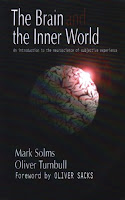
The Brain and the Inner World: An Introduction to the Neuroscience of Subjective Experience
This work is an eagerly awaited account of this momentous and ongoing revolution, elaborated for the general reader by two pioneers of the field. The book takes the nonspecialist reader on a guided tour through the exciting new discoveries, pointing out along the way how old psychodynamic concepts are being forged into a new scientific framework for understanding subjective experience - in health and disease.
On the Move: A Life by Oliver Sacks
When Oliver Sacks was twelve years old, a perceptive schoolmaster wrote in his report: 'Sacks will go far, if he does not go too far'. It is now abundantly clear that Sacks has never stopped going. From its opening pages on his youthful obsession with motorcycles and speed, On the Move is infused with his restless energy. As he recounts his experiences as a young neurologist in the early 1960s, first in California and then in New York, where he discovered a long-forgotten illness in the back wards of a chronic hospital, as well as with a group of patients who would define his life, it becomes clear that Sacks's earnest desire for engagement has occasioned unexpected encounters and travels - sending him through bars and alleys, over oceans, and across continents.
With unbridled honesty and humour, Sacks shows us that the same energy that drives his physical passions - bodybuilding, weightlifting, and swimming - also drives his cerebral passions. He writes about his love affairs, both romantic and intellectual, his guilt over leaving his family to come to America, his bond with his schizophrenic brother, and the writers and scientists - Thom Gunn, A. R. Luria, W. H. Auden, Gerald M. Edelman, Francis Crick - who influenced him.
On the Move is the story of a brilliantly unconventional physician and writer - and of the man who has illuminated the many ways that the brain makes us human.
My Stroke of Insight: A Brain Scientist's Personal Journey
On the morning of the 10th December 1996, Jill Bolte Taylor, a thirty-seven-year-old Harvard-trained brain scientist experienced a massive stroke when a blood vessel exploded in the left side of her brain.
A neuroanatomist by profession, she observed her own mind completely deteriorate to the point that she lost the ability to walk, talk, read, write, or recall any of her life, all within the space of four hours. As the damaged left side of her brain - the rational, logical, detail and time-oriented side - swung in an out of function, Taylor alternated between two distinct and opposite realities: the euphoric Nirvana of the intuitive and emotional right brain, in which she felt a sense of complete well-being and peace; and the logical left brain, that realized Jill was having a stroke and enabled her to seek help before she was lost completely.
In My Stroke of Insight: A Brain Scientist's Personal Journey, Taylor brings to light a new perspective on the brain and its capacity for recovery that she gained through the intimate experience of awakening her own injured mind. The journey to recovery took eight years for Jill to feel completely healed. Using her knowledge of how the brain works, her respect for the cells composing her human form, and an amazing mother, Taylor completely repaired her mind and recalibrated her understanding of the world according to the insight gained from her right brain that December morning.
Hallucinations by Oliver Sacks
Have you ever seen something that wasn’t really there? Heard someone call your name in an empty house? Sensed someone following you and turned around to find nothing?
Hallucinations don’t belong wholly to the insane. Much more commonly, they are linked to sensory deprivation, intoxication, illness, or injury. In some conditions, hallucinations can lead to religious epiphanies or even the feeling of leaving one’s own body. Humans have always sought such life-changing visions, and for thousands of years have used hallucinogenic compounds to achieve them.
In this book, with his usual elegance, curiosity, and compassion, Dr Sacks weaves together stories of his patients and of his own mind-altering experiences to illuminate what hallucinations tell us about the organization and structure of our brains, how they have influenced every culture’s folklore and art, and why the potential for hallucination is present in us all, a vital part of the human condition.
The Man Who Mistook His Wife for a Hat by Oliver Sacks
Dr. Sacks treats each of his subjects—the amnesic fifty-year-old man who believes himself to be a young sailor in the Navy, the “disembodied” woman whose limbs have become alien to her, and of course the famous man who mistook his wife for a hat—with a deep respect for the unique individual living beneath the disorder. These tales inspire awe and empathy, allowing the reader to enter the uncanny worlds of those with autism, Alzheimer’s, Tourette’s syndrome, and other unfathomable neurological conditions. “One of the great clinical writers of the 20th century” (The New York Times), Dr. Sacks brings to vivid life some of the most fundamental questions about identity and the human mind.
The Man Who Mistook His Wife for a Hat by Oliver Sacks
Excerpt
Dr P. was a musician of distinction, well-known for many years as a singer, and then, at the local School of Music, as a teacher. It was here, in relation to his students, that certain strange problems were first observed. Sometimes a student would present himself, and Dr P. would not recognise him; or, specifically, would not recognise his face. The moment the student spoke, he would be recognised by his voice. Such incidents multiplied, causing embarrassment, perplexity, fear—and, sometimes, comedy. For not only did Dr P. increasingly fail to see faces, but he saw faces when there were no faces to see: genially, Magoo-like, when in the street he might pat the heads of water hydrants and parking meters, taking these to be the heads of children; he would amiably address carved knobs on the furniture and be astounded when they did not reply. At first these odd mistakes were laughed off as jokes, not least by Dr P. himself. Had he not always had a quirky sense of humour and been given to Zen-like paradoxes and jests? His musical powers were as dazzling as ever; he did not feel ill—he had never felt better; and the mistakes were so ludicrous—and so ingenious—that they could hardly be serious or betoken anything serious. The notion of there being ‘something the matter’ did not emerge until some three years later, when diabetes developed. Well aware that diabetes could affect his eyes, Dr P. consulted an ophthalmologist, who took a careful history and examined his eyes closely. ‘There’s nothing the matter with your eyes,’ the doctor concluded. ‘But there is trouble with the visual parts of your brain. You don’t need my help, you must see a neurologist.’ And so, as a result of this referral, Dr P. came to me.
It was obvious within a few seconds of meeting him that there was no trace of dementia in the ordinary sense. He was a man of great cultivation and charm who talked well and fluently, with imagination and humour. I couldn’t think why he had been referred to our clinic.
And yet there was something a bit odd. He faced me as he spoke, was oriented towards me, and yet there was something the matter—it was difficult to formulate. He faced me with his ears, I came to think, but not with his eyes. These, instead of looking, gazing, at me, ‘taking me in’, in the normal way, made sudden strange fixations—on my nose, on my right ear, down to my chin, up to my right eye—as if noting (even studying) these individual features, but not seeing my whole face, its changing expressions, ‘me’, as a whole. I am not sure that I fully realised this at the time—there was just a teasing strangeness, some failure in the normal interplay of gaze and expression. He saw me, he scanned me, and yet . . .
‘What seems to be the matter?’ I asked him at length.
‘Nothing that I know of,’ he replied with a smile, ‘but people seem to think there’s something wrong with my eyes.’
‘But you don’t recognise any visual problems?’
‘No, not directly, but I occasionally make mistakes.’
I left the room briefly to talk to his wife. When I came back, Dr P. was sitting placidly by the window, attentive, listening rather than looking out. ‘Traffic,’ he said, ‘street sounds, distant trains—they make a sort of symphony, do they not? You know Honegger’s Pacific 234?’
What a lovely man, I thought to myself. How can there be anything seriously the matter? Would he permit me to examine him?
‘Yes, of course, Dr Sacks.’
I stilled my disquiet, his perhaps, too, in the soothing routine of a neurological exam—muscle strength, coordination, reflexes, tone. . . . It was while examining his reflexes—a trifle abnormal on the left side—that the first bizarre experience occurred. I had taken off his left shoe and scratched the sole of his foot with a key—a frivolous-seeming but essential test of a reflex—and then, excusing myself to screw my ophthalmoscope together, left him to put on the shoe himself. To my surprise, a minute later, he had not done this.
‘Can I help?’ I asked.
‘Help what? Help whom?’
‘Help you put on your shoe.’
‘Ach,’ he said, ‘I had forgotten the shoe,’ adding, sotto voce, ‘The shoe? The shoe?’ He seemed baffled.
‘Your shoe,’ I repeated. ‘Perhaps you’d put it on.’
He continued to look downwards, though not at the shoe, with an intense but misplaced concentration. Finally his gaze settled on his foot: ‘That is my shoe, yes?’
Did I mis-hear? Did he mis-see?
‘My eyes,’ he explained, and put a hand to his foot. ‘This is my shoe, no?’
‘No, it is not. That is your foot. There is your shoe.’
‘Ah! I thought that was my foot.’
Was he joking? Was he mad? Was he blind? If this was one of his ‘strange mistakes’, it was the strangest mistake I had ever come across.
I helped him on with his shoe (his foot), to avoid further complication. Dr P. himself seemed untroubled, indifferent, maybe amused. I resumed my examination. His visual acuity was good: he had no difficulty seeing a pin on the floor, though sometimes he missed it if it was placed to his left.
He saw all right, but what did he see? I opened out a copy of the National Geographic Magazine and asked him to describe some pictures in it.
His responses here were very curious. His eyes would dart from one thing to another, picking up tiny features, individual features, as they had done with my face. A striking brightness, a colour, a shape would arrest his attention and elicit comment—but in no case did he get the scene-as-a-whole. He failed to see the whole, seeing only details, which he spotted like blips on a radar screen. He never entered into relation with the picture as a whole—never faced, so to speak, its physiognomy. He had no sense whatever of a landscape or scene.
I showed him the cover, an unbroken expanse of Sahara dunes.
‘What do you see here?’ I asked.
‘I see a river,’ he said. ‘And a little guest-house with its terrace on the water. People are dining out on the terrace. I see coloured parasols here and there.’ He was looking, if it was ‘looking’, right off the cover into mid-air and confabulating nonexistent features, as if the absence of features in the actual picture had driven him to imagine the river and the terrace and the coloured parasols.
I must have looked aghast, but he seemed to think he had done rather well. There was a hint of a smile on his face. He also appeared to have decided that the examination was over and started to look around for his hat. He reached out his hand and took hold of his wife’s head, tried to lift it off, to put it on. He had apparently mistaken his wife for a hat! His wife looked as if she was used to such things.
I could make no sense of what had occurred in terms of conventional neurology (or neuropsychology). In some ways he seemed perfectly preserved, and in others absolutely, incomprehensibly devastated. How could he, on the one hand, mistake his wife for a hat and, on the other, function, as apparently he still did, as a teacher at the Music School?
I had to think, to see him again—and to see him in his own familiar habitat, at home.
A few days later I called on Dr P. and his wife at home, with the score of the Dichterliebe in my briefcase (I knew he liked Schumann), and a variety of odd objects for the testing of perception. Mrs P. showed me into a lofty apartment, which recalled fin-de-siècle Berlin. A magnificent old Bösendorfer stood in state in the centre of the room, and all around it were music stands, instruments, scores. . . . There were books, there were paintings, but the music was central. Dr P. came in, a little bowed, and, distracted, advanced with outstretched hand to the grandfather clock, but, hearing my voice, corrected himself, and shook hands with me. We exchanged greetings and chatted a little of current concerts and performances. Diffidently, I asked him if he would sing.
‘The Dichterliebe!’ he exclaimed. ‘But I can no longer read music. You will play them, yes?’
I said I would try. On that wonderful old piano even my playing sounded right, and Dr P. was an aged but infinitely mellow Fischer-Dieskau, combining a perfect ear and voice with the most incisive musical intelligence. It was clear that the Music School was not keeping him on out of charity.
Dr P.’s temporal lobes were obviously intact: he had a wonderful musical cortex. What, I wondered, was going on in his parietal and occipital lobes, especially in those areas where visual processing occurred? I carry the Platonic solids in my neurological kit and decided to start with these.
‘What is this?’ I asked, drawing out the first one.
‘A cube, of course.’
‘Now this?’ I asked, brandishing another.
He asked if he might examine it, which he did swiftly and systematically: ‘A dodecahedron, of course. And don’t bother with the others—I’ll get the icosahedron, too.’
Abstract shapes clearly presented no problems. What about faces? I took out a pack of cards. All of these he identified instantly, including the jacks, queens, kings, and the joker. But these, after all, are stylised designs, and it was impossible to tell whether he saw faces or merely patterns. I decided I would show him a volume of cartoons which I had in my briefcase. Here, again, for the most part, he did well. Churchill’s cigar, Schnozzle’s nose: as soon as he had picked out a key feature he could identify the face. But cartoons, again, are formal and schematic. It remained to be seen how he would do with real faces, realistically represented.
I turned on the television, keeping the sound off, and found an early Bette Davis film. A love scene was in progress. Dr P. failed to identify the actress—but this could have been because she had never entered his world. What was more striking was that he failed to identify the expressions on her face or her partner’s, though in the course of a single torrid scene these passed from sultry yearning through passion, surprise, disgust, and fury to a melting reconciliation. Dr P. could make nothing of any of this. He was very unclear as to what was going on, or who was who or even what sex they were. His comments on the scene were positively Martian.
It was just possible that some of his difficulties were associated with the unreality of a celluloid, Hollywood world; and it occurred to me that he might be more successful in identifying faces from his own life. On the walls of the apartment there were photographs of his family, his colleagues, his pupils, himself. I gathered a pile of these together and, with some misgivings, presented them to him. What had been funny, or farcical, in relation to the movie, was tragic in relation to real life. By and large, he recognised nobody: neither his family, nor his colleagues, nor his pupils, nor himself. He recognised a portrait of Einstein because he picked up the characteristic hair and moustache; and the same thing happened with one or two other people. ‘Ach, Paul!’ he said, when shown a portrait of his brother. ‘That square jaw, those big teeth—I would know Paul anywhere!’ But was it Paul he recognised, or one or two of his features, on the basis of which he could make a reasonable guess as to the subject’s identity? In the absence of obvious ‘markers’, he was utterly lost. But it was not merely the cognition, the gnosis, at fault; there was something radically wrong with the whole way he proceeded. For he approached these faces—even of those near and dear—as if they were abstract puzzles or tests. He did not relate to them, he did not behold. No face was familiar to him, seen as a ‘thou’, being just identified as a set of features, an ‘it’. Thus, there was formal, but no trace of personal, gnosis. And with this went his indifference, or blindness, to expression. A face, to us, is a person looking out—we see, as it were, the person through his persona, his face. But for Dr P. there was no persona in this sense—no outward persona, and no person within.
I had stopped at a florist on my way to his apartment and bought myself an extravagant red rose for my buttonhole. Now I removed this and handed it to him. He took it like a botanist or morphologist given a specimen, not like a person given a flower.
‘About six inches in length,’ he commented. ‘A convoluted red form with a linear green attachment.’
‘Yes,’ I said encouragingly, ‘and what do you think it is, Dr P.?’
‘Not easy to say.’ He seemed perplexed. ‘It lacks the simple symmetry of the Platonic solids, although it may have a higher symmetry of its own. . . . I think this could be an inflorescence or flower.’
‘Could be?’ I queried.
‘Could be,’ he confirmed.
‘Smell it,’ I suggested, and he again looked somewhat puzzled, as if I had asked him to smell a higher symmetry. But he complied courteously, and took it to his nose. Now, suddenly, he came to life.
‘Beautiful!’ he exclaimed. ‘An early rose. What a heavenly smell!’ He started to hum ‘Die Rose, die Lillie . . .’ Reality, it seemed, might be conveyed by smell, not by sight.
I tried one final test. It was still a cold day, in early spring, and I had thrown my coat and gloves on the sofa.
‘What is this?’ I asked, holding up a glove.
‘May I examine it?’ he asked, and, taking it from me, he proceeded to examine it as he had examined the geometrical shapes.
‘A continuous surface,’ he announced at last, ‘infolded on itself. It appears to have’—he hesitated—‘five outpouchings, if this is the word.’
‘Yes,’ I said cautiously. ‘You have given me a description. Now tell me what it is.’
‘A container of some sort?’
‘Yes,’ I said, ‘and what would it contain?’
‘It would contain its contents!’ said Dr P., with a laugh. ‘There are many possibilities. It could be a change purse, for example, for coins of five sizes. It could . . .’
I interrupted the barmy flow. ‘Does it not look familiar? Do you think it might contain, might fit, a part of your body?’
No light of recognition dawned on his face. (Later, by accident, he got it on, and exclaimed, ‘My God, it’s a glove!’ This was reminiscent of Kurt Goldstein’s patient ‘Lanuti’, who could only recognise objects by trying to use them in action.)
No child would have the power to see and speak of ‘a continuous surface . . . infolded on itself,’ but any child, any infant, would immediately know a glove as a glove, see it as familiar, as going with a hand. Dr P. didn’t. He saw nothing as familiar. Visually, he was lost in a world of lifeless abstractions. Indeed, he did not have a real visual world, as he did not have a real visual self. He could speak about things, but did not see them face-to-face. Hughlings Jackson, discussing patients with aphasia and left-hemisphere lesions, says they have lost ‘abstract’ and ‘propositional’ thought—and compares them with dogs (or, rather, he compares dogs to patients with aphasia). Dr P., on the other hand, functioned precisely as a machine functions. It wasn’t merely that he displayed the same indifference to the visual world as a computer but—even more strikingly—he construed the world as a computer construes it, by means of key features and schematic relationships. The scheme might be identified—in an ‘identi-kit’ way—without the reality being grasped at all.
The testing I had done so far told me nothing about Dr P.’s inner world. Was it possible that his visual memory and imagination were still intact? I asked him to imagine entering one of our local squares from the north side, to walk through it, in imagination or in memory, and tell me the buildings he might pass as he walked. He listed the buildings on his right side, but none of those on his left. I then asked him to imagine entering the square from the south. Again he mentioned only those buildings that were on the right side, although these were the very buildings he had omitted before. Those he had ‘seen’ internally before were not mentioned now; presumably, they were no longer ‘seen’. It was evident that his difficulties with leftness, his visual field deficits, were as much internal as external, bisecting his visual memory and imagination.
What, at a higher level, of his internal visualisation? Thinking of the almost hallucinatory intensity with which Tolstoy visualises and animates his characters, I questioned Dr P. about Anna Karenina. He could remember incidents without difficulty, had an undiminished grasp of the plot, but completely omitted visual characteristics, visual narrative, and scenes. He remembered the words of the characters but not their faces; and though, when asked, he could quote, with his remarkable and almost verbatim memory, the original visual descriptions, these were, it became apparent, quite empty for him and lacked sensorial, imaginal, or emotional reality. Thus, there was an internal agnosia as well. (I have often wondered about Helen Keller’s visual descriptions, whether these, for all their eloquence, are somehow empty as well? Or whether, by the transference of images from the tactile to the visual, or, yet more extraordinarily, from the verbal and the metaphorical to the sensorial and the visual, she did achieve a power of visual imagery, even though her visual cortex had never been stimulated, directly, by the eyes? But in Dr P.’s case it is precisely the cortex that was damaged, the organic prerequisite of all pictorial imagery. Interestingly and typically he no longer dreamed pictorially—the ‘message’ of the dream being conveyed in nonvisual terms.)
But this was only the case, it became clear, with certain sorts of visualisation. The visualisation of faces and scenes, of visual narrative and drama—this was profoundly impaired, almost absent. But the visualisation of schemata was preserved, perhaps enhanced. Thus, when I engaged him in a game of mental chess, he had no difficulty visualising the chessboard or the moves—indeed, no difficulty in beating me soundly.
Luria said of Zazetsky that he had entirely lost his capacity to play games but that his ‘vivid imagination’ was unimpaired. Zazetsky and Dr P. lived in worlds which were mirror images of each other. But the saddest difference between them was that Zazetsky, as Luria said, ‘fought to regain his lost faculties with the indomitable tenacity of the damned,’ whereas Dr P. was not fighting, did not know what was lost, did not indeed know that anything was lost. But who was more tragic, or who was more damned—the man who knew it, or the man who did not?
When the examination was over, Mrs P. called us to the table, where there was coffee and a delicious spread of little cakes. Hungrily, hummingly, Dr P. started on the cakes. Swiftly, fluently, unthinkingly, melodiously, he pulled the plates towards him and took this and that in a great gurgling stream, an edible song of food, until, suddenly, there came an interruption: a loud, peremptory rat-tat-tat at the door. Startled, taken aback, arrested by the interruption, Dr P. stopped eating and sat frozen, motionless, at the table, with an indifferent, blind bewilderment on his face. He saw, but no longer saw, the table; no longer perceived it as a table laden with cakes. His wife poured him some coffee: the smell titillated his nose and brought him back to reality. The melody of eating resumed.
How does he do anything? I wondered to myself. What happens when he’s dressing, goes to the lavatory, has a bath? I followed his wife into the kitchen and asked her how, for instance, he managed to dress himself. ‘It’s just like the eating,’ she explained. ‘I put his usual clothes out, in all the usual places, and he dresses without difficulty, singing to himself. He does everything singing to himself. But if he is interrupted and loses the thread, he comes to a complete stop, doesn’t know his clothes—or his own body. He sings all the time—eating songs, dressing songs, bathing songs, everything. He can’t do anything unless he makes it a song.’
While we were talking my attention was caught by the pictures on the walls.
‘Yes,’ Mrs P. said, ‘he was a gifted painter as well as a singer. The School exhibited his pictures every year.’
I strolled past them curiously—they were in chronological order. All his earlier work was naturalistic and realistic, with vivid mood and atmosphere, but finely detailed and concrete. Then, years later, they became less vivid, less concrete, less realistic and naturalistic, but far more abstract, even geometrical and cubist. Finally, in the last paintings, the canvasses became nonsense, or nonsense to me—mere chaotic lines and blotches of paint. I commented on this to Mrs P.
‘Ach, you doctors, you’re such Philistines!’ she exclaimed. ‘Can you not see artistic development—how he renounced the realism of his earlier years, and advanced into abstract, nonrepresentational art?’
‘No, that’s not it,’ I said to myself (but forbore to say it to poor Mrs P.). He had indeed moved from realism to nonrepresentation to the abstract, yet this was not the artist, but the pathology, advancing—advancing towards a profound visual agnosia, in which all powers of representation and imagery, all sense of the concrete, all sense of reality, were being destroyed. This wall of paintings was a tragic pathological exhibit, which belonged to neurology, not art.
And yet, I wondered, was she not partly right? For there is often a struggle, and sometimes, even more interestingly, a collusion between the powers of pathology and creation. Perhaps, in his cubist period, there might have been both artistic and pathological development, colluding to engender an original form; for as he lost the concrete, so he might have gained in the abstract, developing a greater sensitivity to all the structural elements of line, boundary, contour—an almost Picasso-like power to see, and equally depict, those abstract organisations embedded in, and normally lost in, the concrete. . . . Though in the final pictures, I feared, there was only chaos and agnosia.
We returned to the great music room, with the Bösendorfer in the centre, and Dr P. humming the last torte.
‘Well, Dr Sacks,’ he said to me. ‘You find me an interesting case, I perceive. Can you tell me what you find wrong, make recommendations?’
‘I can’t tell you what I find wrong,’ I replied, ‘but I’ll say what I find right. You are a wonderful musician, and music is your life. What I would prescribe, in a case such as yours, is a life which consists entirely of music. Music has been the centre, now make it the whole, of your life.’
This was four years ago—I never saw him again, but I often wondered about how he apprehended the world, given his strange loss of image, visuality, and the perfect preservation of a great musicality. I think that music, for him, had taken the place of image. He had no body-image, he had body-music: this is why he could move and act as fluently as he did, but came to a total confused stop if the ‘inner music’ stopped. And equally with the outside, the world . . . (Thus, as I learned later from his wife, though he could not recognise his students if they sat still, if they were merely ‘images’, he might suddenly recognise them if they moved. ‘That’s Karl,’ he would cry. ‘I know his movements, his body-music’)
In The World as Representation and Will, Schopenhauer speaks of music as ‘pure will’. How fascinated he would have been by Dr P., a man who had wholly lost the world as representation, but wholly preserved it as music or will.
And this, mercifully, held to the end—for despite the gradual advance of his disease (a massive tumour or degenerative process in the visual parts of his brain) Dr P. lived and taught music to the last days of his life.
These explanations, or modes of explanation, are not mutually exclusive—being in different modes they could coexist and both be true. And this is acknowledged, implicitly or explicitly, in classical neurology: implicitly, by Macrae, when he finds the explanation of defective schemata, or defective visual processing and integration, inadequate; explicitly, by Goldstein, when he speaks of ‘abstract attitude’. But abstract attitude, which allows ‘categorisation’, also misses the mark with Dr P.—and, perhaps, with the concept of ‘judgment’ in general. For Dr P. had abstract attitude—indeed, nothing else. And it was precisely this, his absurd abstractness of attitude—absurd because unleavened with anything else—which rendered him incapable of perceiving identity, or particulars, rendered him incapable of judgment.
Neurology and psychology, curiously, though they talk of everything else, almost never talk of ‘judgment’—and yet it is precisely the downfall of judgment (whether in specific realms, as with Dr P., or more generally, as in patients with Korsakov’s or frontal-lobe syndromes—see below, Chapters Twelve and Thirteen) which constitutes the essence of so many neuropsychological disorders. Judgment and identity may be casualties—but neuropsychology never speaks of them.
And yet, whether in a philosophic sense (Kant’s sense), or an empirical and evolutionary sense, judgment is the most important faculty we have. An animal, or a man, may get on very well without ‘abstract attitude’ but will speedily perish if deprived of judgment. Judgment must be the first faculty of higher life or mind—yet it is ignored, or misinterpreted, by classical (computational) neurology. And if we wonder how such an absurdity can arise, we find it in the assumptions, or the evolution, of neurology itself. For classical neurology (like classical physics) has always been mechanical—from Hughlings Jackson’s mechanical analogies to the computer analogies of today.
Of course, the brain is a machine and a computer—everything in classical neurology is correct. But our mental processes, which constitute our being and life, are not just abstract and mechanical, but personal, as well—and, as such, involve not just classifying and categorising, but continual judging and feeling also. If this is missing, we become computer-like, as Dr P. was. And, by the same token, if we delete feeling and judging, the personal, from the cognitive sciences, we reduce them to something as defective as Dr P.—and we reduce our apprehension of the concrete and real.
By a sort of comic and awful analogy, our current cognitive neurology and psychology resemble nothing so much as poor Dr P.! We need the concrete and real, as he did; and we fail to see this, as he failed to see it. Our cognitive sciences are themselves suffering from an agnosia essentially similar to Dr P.’s. Dr P. may therefore serve as a warning and parable—of what happens to a science which eschews the judgmental, the particular, the personal, and becomes entirely abstract and computational.
It was always a matter of great regret to me that, owing to circumstances beyond my control, I was not able to follow his case further, either in the sort of observations and investigations described, or in ascertaining the actual disease pathology.
Their patient was a young man of 32, who, following a severe automobile accident, with unconsciousness for three weeks, . . . complained, exclusively, of an inability to recognise faces, even those of his wife and children’. Not a single face was ‘familiar’ to him, but there were three he could identify; these were workmates: one with an eye-blinking tic, one with a large mole on his cheek, and a third ‘because he was so tall and thin that no one else was like him’. Each of these, Macrae and Trolle bring out, was ‘recognised solely by the single prominent feature mentioned’. In general (like Dr P.) he recognised familiars only by their voices.
He had difficulty even recognising himself in a mirror, as Macrae and Trolle describe in detail: ‘In the early convalescent phase he frequently, especially when shaving, questioned whether the face gazing at him was really his own, and even though he knew it could physically be none other, on several occasions grimaced or stuck out his tongue “just to make sure.” By carefully studying his face in the mirror he slowly began to recognise it, but “not in a flash” as in the past—he relied on the hair and facial outline, and on two small moles on his left cheek.’
In general he could not recognise objects ‘at a glance’, but would have to seek out, and guess from, one or two features—occasionally his guesses were absurdly wrong. In particular, the authors note, there was difficulty with the animate.
On the other hand, simple schematic objects—scissors, watch, key, etc.—presented no difficulties. Macrae and Trolle also note that: ‘His topographical memory was strange: the seeming paradox existed that he could find his way from home to hospital and around the hospital, but yet could not name streets en route [unlike Dr P., he also had some aphasia] or appear to visualize the topography.’
It was also evident that visual memories of people, even from long before the accident, were severely impaired—there was memory of conduct, or perhaps a mannerism, but not of visual appearance or face. Similarly, it appeared, when he was questioned closely, that he no longer had visual images in his dreams. Thus, as with Dr P., it was not just visual perception, but visual imagination and memory, the fundamental powers of visual representation, which were essentially damaged in this patient—at least those powers insofar as they pertained to the personal, the familiar, the concrete.
A final, humorous point. Where Dr P. might mistake his wife for a hat, Macrae’s patient, also unable to recognise his wife, needed her to identify herself by a visual marker, by ‘. . . a conspicuous article of clothing, such as a large hat’.
It was obvious within a few seconds of meeting him that there was no trace of dementia in the ordinary sense. He was a man of great cultivation and charm who talked well and fluently, with imagination and humour. I couldn’t think why he had been referred to our clinic.
And yet there was something a bit odd. He faced me as he spoke, was oriented towards me, and yet there was something the matter—it was difficult to formulate. He faced me with his ears, I came to think, but not with his eyes. These, instead of looking, gazing, at me, ‘taking me in’, in the normal way, made sudden strange fixations—on my nose, on my right ear, down to my chin, up to my right eye—as if noting (even studying) these individual features, but not seeing my whole face, its changing expressions, ‘me’, as a whole. I am not sure that I fully realised this at the time—there was just a teasing strangeness, some failure in the normal interplay of gaze and expression. He saw me, he scanned me, and yet . . .
‘What seems to be the matter?’ I asked him at length.
‘Nothing that I know of,’ he replied with a smile, ‘but people seem to think there’s something wrong with my eyes.’
‘But you don’t recognise any visual problems?’
‘No, not directly, but I occasionally make mistakes.’
I left the room briefly to talk to his wife. When I came back, Dr P. was sitting placidly by the window, attentive, listening rather than looking out. ‘Traffic,’ he said, ‘street sounds, distant trains—they make a sort of symphony, do they not? You know Honegger’s Pacific 234?’
What a lovely man, I thought to myself. How can there be anything seriously the matter? Would he permit me to examine him?
‘Yes, of course, Dr Sacks.’
I stilled my disquiet, his perhaps, too, in the soothing routine of a neurological exam—muscle strength, coordination, reflexes, tone. . . . It was while examining his reflexes—a trifle abnormal on the left side—that the first bizarre experience occurred. I had taken off his left shoe and scratched the sole of his foot with a key—a frivolous-seeming but essential test of a reflex—and then, excusing myself to screw my ophthalmoscope together, left him to put on the shoe himself. To my surprise, a minute later, he had not done this.
‘Can I help?’ I asked.
‘Help what? Help whom?’
‘Help you put on your shoe.’
‘Ach,’ he said, ‘I had forgotten the shoe,’ adding, sotto voce, ‘The shoe? The shoe?’ He seemed baffled.
‘Your shoe,’ I repeated. ‘Perhaps you’d put it on.’
He continued to look downwards, though not at the shoe, with an intense but misplaced concentration. Finally his gaze settled on his foot: ‘That is my shoe, yes?’
Did I mis-hear? Did he mis-see?
‘My eyes,’ he explained, and put a hand to his foot. ‘This is my shoe, no?’
‘No, it is not. That is your foot. There is your shoe.’
‘Ah! I thought that was my foot.’
Was he joking? Was he mad? Was he blind? If this was one of his ‘strange mistakes’, it was the strangest mistake I had ever come across.
I helped him on with his shoe (his foot), to avoid further complication. Dr P. himself seemed untroubled, indifferent, maybe amused. I resumed my examination. His visual acuity was good: he had no difficulty seeing a pin on the floor, though sometimes he missed it if it was placed to his left.
He saw all right, but what did he see? I opened out a copy of the National Geographic Magazine and asked him to describe some pictures in it.
His responses here were very curious. His eyes would dart from one thing to another, picking up tiny features, individual features, as they had done with my face. A striking brightness, a colour, a shape would arrest his attention and elicit comment—but in no case did he get the scene-as-a-whole. He failed to see the whole, seeing only details, which he spotted like blips on a radar screen. He never entered into relation with the picture as a whole—never faced, so to speak, its physiognomy. He had no sense whatever of a landscape or scene.
I showed him the cover, an unbroken expanse of Sahara dunes.
‘What do you see here?’ I asked.
‘I see a river,’ he said. ‘And a little guest-house with its terrace on the water. People are dining out on the terrace. I see coloured parasols here and there.’ He was looking, if it was ‘looking’, right off the cover into mid-air and confabulating nonexistent features, as if the absence of features in the actual picture had driven him to imagine the river and the terrace and the coloured parasols.
I must have looked aghast, but he seemed to think he had done rather well. There was a hint of a smile on his face. He also appeared to have decided that the examination was over and started to look around for his hat. He reached out his hand and took hold of his wife’s head, tried to lift it off, to put it on. He had apparently mistaken his wife for a hat! His wife looked as if she was used to such things.
I could make no sense of what had occurred in terms of conventional neurology (or neuropsychology). In some ways he seemed perfectly preserved, and in others absolutely, incomprehensibly devastated. How could he, on the one hand, mistake his wife for a hat and, on the other, function, as apparently he still did, as a teacher at the Music School?
I had to think, to see him again—and to see him in his own familiar habitat, at home.
A few days later I called on Dr P. and his wife at home, with the score of the Dichterliebe in my briefcase (I knew he liked Schumann), and a variety of odd objects for the testing of perception. Mrs P. showed me into a lofty apartment, which recalled fin-de-siècle Berlin. A magnificent old Bösendorfer stood in state in the centre of the room, and all around it were music stands, instruments, scores. . . . There were books, there were paintings, but the music was central. Dr P. came in, a little bowed, and, distracted, advanced with outstretched hand to the grandfather clock, but, hearing my voice, corrected himself, and shook hands with me. We exchanged greetings and chatted a little of current concerts and performances. Diffidently, I asked him if he would sing.
‘The Dichterliebe!’ he exclaimed. ‘But I can no longer read music. You will play them, yes?’
I said I would try. On that wonderful old piano even my playing sounded right, and Dr P. was an aged but infinitely mellow Fischer-Dieskau, combining a perfect ear and voice with the most incisive musical intelligence. It was clear that the Music School was not keeping him on out of charity.
Dr P.’s temporal lobes were obviously intact: he had a wonderful musical cortex. What, I wondered, was going on in his parietal and occipital lobes, especially in those areas where visual processing occurred? I carry the Platonic solids in my neurological kit and decided to start with these.
‘What is this?’ I asked, drawing out the first one.
‘A cube, of course.’
‘Now this?’ I asked, brandishing another.
He asked if he might examine it, which he did swiftly and systematically: ‘A dodecahedron, of course. And don’t bother with the others—I’ll get the icosahedron, too.’
Abstract shapes clearly presented no problems. What about faces? I took out a pack of cards. All of these he identified instantly, including the jacks, queens, kings, and the joker. But these, after all, are stylised designs, and it was impossible to tell whether he saw faces or merely patterns. I decided I would show him a volume of cartoons which I had in my briefcase. Here, again, for the most part, he did well. Churchill’s cigar, Schnozzle’s nose: as soon as he had picked out a key feature he could identify the face. But cartoons, again, are formal and schematic. It remained to be seen how he would do with real faces, realistically represented.
I turned on the television, keeping the sound off, and found an early Bette Davis film. A love scene was in progress. Dr P. failed to identify the actress—but this could have been because she had never entered his world. What was more striking was that he failed to identify the expressions on her face or her partner’s, though in the course of a single torrid scene these passed from sultry yearning through passion, surprise, disgust, and fury to a melting reconciliation. Dr P. could make nothing of any of this. He was very unclear as to what was going on, or who was who or even what sex they were. His comments on the scene were positively Martian.
It was just possible that some of his difficulties were associated with the unreality of a celluloid, Hollywood world; and it occurred to me that he might be more successful in identifying faces from his own life. On the walls of the apartment there were photographs of his family, his colleagues, his pupils, himself. I gathered a pile of these together and, with some misgivings, presented them to him. What had been funny, or farcical, in relation to the movie, was tragic in relation to real life. By and large, he recognised nobody: neither his family, nor his colleagues, nor his pupils, nor himself. He recognised a portrait of Einstein because he picked up the characteristic hair and moustache; and the same thing happened with one or two other people. ‘Ach, Paul!’ he said, when shown a portrait of his brother. ‘That square jaw, those big teeth—I would know Paul anywhere!’ But was it Paul he recognised, or one or two of his features, on the basis of which he could make a reasonable guess as to the subject’s identity? In the absence of obvious ‘markers’, he was utterly lost. But it was not merely the cognition, the gnosis, at fault; there was something radically wrong with the whole way he proceeded. For he approached these faces—even of those near and dear—as if they were abstract puzzles or tests. He did not relate to them, he did not behold. No face was familiar to him, seen as a ‘thou’, being just identified as a set of features, an ‘it’. Thus, there was formal, but no trace of personal, gnosis. And with this went his indifference, or blindness, to expression. A face, to us, is a person looking out—we see, as it were, the person through his persona, his face. But for Dr P. there was no persona in this sense—no outward persona, and no person within.
I had stopped at a florist on my way to his apartment and bought myself an extravagant red rose for my buttonhole. Now I removed this and handed it to him. He took it like a botanist or morphologist given a specimen, not like a person given a flower.
‘About six inches in length,’ he commented. ‘A convoluted red form with a linear green attachment.’
‘Yes,’ I said encouragingly, ‘and what do you think it is, Dr P.?’
‘Not easy to say.’ He seemed perplexed. ‘It lacks the simple symmetry of the Platonic solids, although it may have a higher symmetry of its own. . . . I think this could be an inflorescence or flower.’
‘Could be?’ I queried.
‘Could be,’ he confirmed.
‘Smell it,’ I suggested, and he again looked somewhat puzzled, as if I had asked him to smell a higher symmetry. But he complied courteously, and took it to his nose. Now, suddenly, he came to life.
‘Beautiful!’ he exclaimed. ‘An early rose. What a heavenly smell!’ He started to hum ‘Die Rose, die Lillie . . .’ Reality, it seemed, might be conveyed by smell, not by sight.
I tried one final test. It was still a cold day, in early spring, and I had thrown my coat and gloves on the sofa.
‘What is this?’ I asked, holding up a glove.
‘May I examine it?’ he asked, and, taking it from me, he proceeded to examine it as he had examined the geometrical shapes.
‘A continuous surface,’ he announced at last, ‘infolded on itself. It appears to have’—he hesitated—‘five outpouchings, if this is the word.’
‘Yes,’ I said cautiously. ‘You have given me a description. Now tell me what it is.’
‘A container of some sort?’
‘Yes,’ I said, ‘and what would it contain?’
‘It would contain its contents!’ said Dr P., with a laugh. ‘There are many possibilities. It could be a change purse, for example, for coins of five sizes. It could . . .’
I interrupted the barmy flow. ‘Does it not look familiar? Do you think it might contain, might fit, a part of your body?’
No light of recognition dawned on his face. (Later, by accident, he got it on, and exclaimed, ‘My God, it’s a glove!’ This was reminiscent of Kurt Goldstein’s patient ‘Lanuti’, who could only recognise objects by trying to use them in action.)
No child would have the power to see and speak of ‘a continuous surface . . . infolded on itself,’ but any child, any infant, would immediately know a glove as a glove, see it as familiar, as going with a hand. Dr P. didn’t. He saw nothing as familiar. Visually, he was lost in a world of lifeless abstractions. Indeed, he did not have a real visual world, as he did not have a real visual self. He could speak about things, but did not see them face-to-face. Hughlings Jackson, discussing patients with aphasia and left-hemisphere lesions, says they have lost ‘abstract’ and ‘propositional’ thought—and compares them with dogs (or, rather, he compares dogs to patients with aphasia). Dr P., on the other hand, functioned precisely as a machine functions. It wasn’t merely that he displayed the same indifference to the visual world as a computer but—even more strikingly—he construed the world as a computer construes it, by means of key features and schematic relationships. The scheme might be identified—in an ‘identi-kit’ way—without the reality being grasped at all.
The testing I had done so far told me nothing about Dr P.’s inner world. Was it possible that his visual memory and imagination were still intact? I asked him to imagine entering one of our local squares from the north side, to walk through it, in imagination or in memory, and tell me the buildings he might pass as he walked. He listed the buildings on his right side, but none of those on his left. I then asked him to imagine entering the square from the south. Again he mentioned only those buildings that were on the right side, although these were the very buildings he had omitted before. Those he had ‘seen’ internally before were not mentioned now; presumably, they were no longer ‘seen’. It was evident that his difficulties with leftness, his visual field deficits, were as much internal as external, bisecting his visual memory and imagination.
What, at a higher level, of his internal visualisation? Thinking of the almost hallucinatory intensity with which Tolstoy visualises and animates his characters, I questioned Dr P. about Anna Karenina. He could remember incidents without difficulty, had an undiminished grasp of the plot, but completely omitted visual characteristics, visual narrative, and scenes. He remembered the words of the characters but not their faces; and though, when asked, he could quote, with his remarkable and almost verbatim memory, the original visual descriptions, these were, it became apparent, quite empty for him and lacked sensorial, imaginal, or emotional reality. Thus, there was an internal agnosia as well. (I have often wondered about Helen Keller’s visual descriptions, whether these, for all their eloquence, are somehow empty as well? Or whether, by the transference of images from the tactile to the visual, or, yet more extraordinarily, from the verbal and the metaphorical to the sensorial and the visual, she did achieve a power of visual imagery, even though her visual cortex had never been stimulated, directly, by the eyes? But in Dr P.’s case it is precisely the cortex that was damaged, the organic prerequisite of all pictorial imagery. Interestingly and typically he no longer dreamed pictorially—the ‘message’ of the dream being conveyed in nonvisual terms.)
But this was only the case, it became clear, with certain sorts of visualisation. The visualisation of faces and scenes, of visual narrative and drama—this was profoundly impaired, almost absent. But the visualisation of schemata was preserved, perhaps enhanced. Thus, when I engaged him in a game of mental chess, he had no difficulty visualising the chessboard or the moves—indeed, no difficulty in beating me soundly.
Luria said of Zazetsky that he had entirely lost his capacity to play games but that his ‘vivid imagination’ was unimpaired. Zazetsky and Dr P. lived in worlds which were mirror images of each other. But the saddest difference between them was that Zazetsky, as Luria said, ‘fought to regain his lost faculties with the indomitable tenacity of the damned,’ whereas Dr P. was not fighting, did not know what was lost, did not indeed know that anything was lost. But who was more tragic, or who was more damned—the man who knew it, or the man who did not?
When the examination was over, Mrs P. called us to the table, where there was coffee and a delicious spread of little cakes. Hungrily, hummingly, Dr P. started on the cakes. Swiftly, fluently, unthinkingly, melodiously, he pulled the plates towards him and took this and that in a great gurgling stream, an edible song of food, until, suddenly, there came an interruption: a loud, peremptory rat-tat-tat at the door. Startled, taken aback, arrested by the interruption, Dr P. stopped eating and sat frozen, motionless, at the table, with an indifferent, blind bewilderment on his face. He saw, but no longer saw, the table; no longer perceived it as a table laden with cakes. His wife poured him some coffee: the smell titillated his nose and brought him back to reality. The melody of eating resumed.
How does he do anything? I wondered to myself. What happens when he’s dressing, goes to the lavatory, has a bath? I followed his wife into the kitchen and asked her how, for instance, he managed to dress himself. ‘It’s just like the eating,’ she explained. ‘I put his usual clothes out, in all the usual places, and he dresses without difficulty, singing to himself. He does everything singing to himself. But if he is interrupted and loses the thread, he comes to a complete stop, doesn’t know his clothes—or his own body. He sings all the time—eating songs, dressing songs, bathing songs, everything. He can’t do anything unless he makes it a song.’
While we were talking my attention was caught by the pictures on the walls.
‘Yes,’ Mrs P. said, ‘he was a gifted painter as well as a singer. The School exhibited his pictures every year.’
I strolled past them curiously—they were in chronological order. All his earlier work was naturalistic and realistic, with vivid mood and atmosphere, but finely detailed and concrete. Then, years later, they became less vivid, less concrete, less realistic and naturalistic, but far more abstract, even geometrical and cubist. Finally, in the last paintings, the canvasses became nonsense, or nonsense to me—mere chaotic lines and blotches of paint. I commented on this to Mrs P.
‘Ach, you doctors, you’re such Philistines!’ she exclaimed. ‘Can you not see artistic development—how he renounced the realism of his earlier years, and advanced into abstract, nonrepresentational art?’
‘No, that’s not it,’ I said to myself (but forbore to say it to poor Mrs P.). He had indeed moved from realism to nonrepresentation to the abstract, yet this was not the artist, but the pathology, advancing—advancing towards a profound visual agnosia, in which all powers of representation and imagery, all sense of the concrete, all sense of reality, were being destroyed. This wall of paintings was a tragic pathological exhibit, which belonged to neurology, not art.
And yet, I wondered, was she not partly right? For there is often a struggle, and sometimes, even more interestingly, a collusion between the powers of pathology and creation. Perhaps, in his cubist period, there might have been both artistic and pathological development, colluding to engender an original form; for as he lost the concrete, so he might have gained in the abstract, developing a greater sensitivity to all the structural elements of line, boundary, contour—an almost Picasso-like power to see, and equally depict, those abstract organisations embedded in, and normally lost in, the concrete. . . . Though in the final pictures, I feared, there was only chaos and agnosia.
We returned to the great music room, with the Bösendorfer in the centre, and Dr P. humming the last torte.
‘Well, Dr Sacks,’ he said to me. ‘You find me an interesting case, I perceive. Can you tell me what you find wrong, make recommendations?’
‘I can’t tell you what I find wrong,’ I replied, ‘but I’ll say what I find right. You are a wonderful musician, and music is your life. What I would prescribe, in a case such as yours, is a life which consists entirely of music. Music has been the centre, now make it the whole, of your life.’
This was four years ago—I never saw him again, but I often wondered about how he apprehended the world, given his strange loss of image, visuality, and the perfect preservation of a great musicality. I think that music, for him, had taken the place of image. He had no body-image, he had body-music: this is why he could move and act as fluently as he did, but came to a total confused stop if the ‘inner music’ stopped. And equally with the outside, the world . . . (Thus, as I learned later from his wife, though he could not recognise his students if they sat still, if they were merely ‘images’, he might suddenly recognise them if they moved. ‘That’s Karl,’ he would cry. ‘I know his movements, his body-music’)
In The World as Representation and Will, Schopenhauer speaks of music as ‘pure will’. How fascinated he would have been by Dr P., a man who had wholly lost the world as representation, but wholly preserved it as music or will.
And this, mercifully, held to the end—for despite the gradual advance of his disease (a massive tumour or degenerative process in the visual parts of his brain) Dr P. lived and taught music to the last days of his life.
Postscript
How should one interpret Dr P.’s peculiar inability to interpret, to judge, a glove as a glove? Manifestly, here, he could not make a cognitive judgment, though he was prolific in the production of cognitive hypotheses. A judgment is intuitive, personal, comprehensive, and concrete—we ‘see’ how things stand, in relation to one another and oneself. It was precisely this setting, this relating, that Dr P. lacked (though his judging, in all other spheres, was prompt and normal). Was this due to lack of visual information, or faulty processing of visual information? (This would be the explanation given by a classical, schematic neurology.) Or was there something amiss in Dr P.’s attitude, so that he could not relate what he saw to himself?
Neurology and psychology, curiously, though they talk of everything else, almost never talk of ‘judgment’—and yet it is precisely the downfall of judgment (whether in specific realms, as with Dr P., or more generally, as in patients with Korsakov’s or frontal-lobe syndromes—see below, Chapters Twelve and Thirteen) which constitutes the essence of so many neuropsychological disorders. Judgment and identity may be casualties—but neuropsychology never speaks of them.
And yet, whether in a philosophic sense (Kant’s sense), or an empirical and evolutionary sense, judgment is the most important faculty we have. An animal, or a man, may get on very well without ‘abstract attitude’ but will speedily perish if deprived of judgment. Judgment must be the first faculty of higher life or mind—yet it is ignored, or misinterpreted, by classical (computational) neurology. And if we wonder how such an absurdity can arise, we find it in the assumptions, or the evolution, of neurology itself. For classical neurology (like classical physics) has always been mechanical—from Hughlings Jackson’s mechanical analogies to the computer analogies of today.
Of course, the brain is a machine and a computer—everything in classical neurology is correct. But our mental processes, which constitute our being and life, are not just abstract and mechanical, but personal, as well—and, as such, involve not just classifying and categorising, but continual judging and feeling also. If this is missing, we become computer-like, as Dr P. was. And, by the same token, if we delete feeling and judging, the personal, from the cognitive sciences, we reduce them to something as defective as Dr P.—and we reduce our apprehension of the concrete and real.
By a sort of comic and awful analogy, our current cognitive neurology and psychology resemble nothing so much as poor Dr P.! We need the concrete and real, as he did; and we fail to see this, as he failed to see it. Our cognitive sciences are themselves suffering from an agnosia essentially similar to Dr P.’s. Dr P. may therefore serve as a warning and parable—of what happens to a science which eschews the judgmental, the particular, the personal, and becomes entirely abstract and computational.
It was always a matter of great regret to me that, owing to circumstances beyond my control, I was not able to follow his case further, either in the sort of observations and investigations described, or in ascertaining the actual disease pathology.
One always fears that a case is ‘unique’, especially if it has such extraordinary features as those of Dr P. It was, therefore, with a sense of great interest and delight, not unmixed with relief, that I found, quite by chance—looking through the periodical Brain for 1956—a detailed description of an almost comically similar case, similar (indeed identical) neuropsychologically and phenomenologically, though the underlying pathology (an acute head injury) and all personal circumstances were wholly different. The authors speak of their case as ‘unique in the documented history of this disorder’—and evidently experienced, as I did, amazement at their own findings. (Only since the completion of this book have I found that there is, in fact, a rather extensive literature on visual agnosia in general, and prosopagnosia in particular. In particular I had the great pleasure recently of meeting Dr Andrew Kertesz, who has himself published some extremely detailed studies of patients with such agnosias (see, for example, his paper on visual agnosia, Kertesz 1979). Dr Kertesz mentioned to me a case known to him of a farmer who had developed prosopagnosia and in consequence could no longer distinguish (the faces of) his cows, and of another such patient, an attendant in a Natural History Museum, who mistook his own reflection for the diorama of an ape. As with Dr P., and as with Macrae and Trolle’s patient, it is especially the animate which is so absurdly misperceived. The most important studies of such agnosias, and of visual processing in general, are now being undertaken by A. R. and H. Damasio (see article in Mesulam [1985], pp. 259-288; or see p. 79 below).) The interested reader is referred to the original paper, Macrae and Trolle (1956), of which I here subjoin a brief paraphrase, with quotations from the original.
He had difficulty even recognising himself in a mirror, as Macrae and Trolle describe in detail: ‘In the early convalescent phase he frequently, especially when shaving, questioned whether the face gazing at him was really his own, and even though he knew it could physically be none other, on several occasions grimaced or stuck out his tongue “just to make sure.” By carefully studying his face in the mirror he slowly began to recognise it, but “not in a flash” as in the past—he relied on the hair and facial outline, and on two small moles on his left cheek.’
In general he could not recognise objects ‘at a glance’, but would have to seek out, and guess from, one or two features—occasionally his guesses were absurdly wrong. In particular, the authors note, there was difficulty with the animate.
On the other hand, simple schematic objects—scissors, watch, key, etc.—presented no difficulties. Macrae and Trolle also note that: ‘His topographical memory was strange: the seeming paradox existed that he could find his way from home to hospital and around the hospital, but yet could not name streets en route [unlike Dr P., he also had some aphasia] or appear to visualize the topography.’
It was also evident that visual memories of people, even from long before the accident, were severely impaired—there was memory of conduct, or perhaps a mannerism, but not of visual appearance or face. Similarly, it appeared, when he was questioned closely, that he no longer had visual images in his dreams. Thus, as with Dr P., it was not just visual perception, but visual imagination and memory, the fundamental powers of visual representation, which were essentially damaged in this patient—at least those powers insofar as they pertained to the personal, the familiar, the concrete.
A final, humorous point. Where Dr P. might mistake his wife for a hat, Macrae’s patient, also unable to recognise his wife, needed her to identify herself by a visual marker, by ‘. . . a conspicuous article of clothing, such as a large hat’.
Neurocomic (photos)
Do you know what your brain is made of? How does memory function? What is a neuron and how does it work? For that matter, what’s a comic? And in the words of Lewis Carroll’s famous caterpillar: “who are you?”
Produced in association with the Wellcome Trust, this debut graphic novel by Dr. Hana Roš and Dr. Matteo Farinella is a journey through the human brain: a place of neuron forests, memory caves and castles of deception. Along the way, you’ll encounter Boschean beasts, giant squid, guitar-playing sea slugs and the great pioneers of Neuroscience.
Dr. Hana Roš is a neuroscientist with a Phd from Oxford University, UK. Dr. Matteo Farinella is an illustrator specialising in graphic journalism and scientific illustration. Farinella received a PhD in Neuroscience from University College London in 2013. Neurocomic is Roš and Farinella’s first title with Nobrow.
•
See also Freud’s Life and Legacy, in a Comic
Neurocomic: A Graphic Novel About How the Brain Works
Neurocomic is a journey through the human brain: a place of neuron forests, memory caves, and castles of deception. Along the way, you'll encounter Boschean beasts, giant squid, guitar-playing sea slugs, and the great pioneers of neuroscience. Hana Roš and Matteo Farinella provide an insight into the most complex thing in the universe.
This wonderful film about the project, directed by Richard Wyllie, takes us behind the scenes of the duo’s marvelous collaboration and creative process:
Artist Matteo Farinella and neuroscientist Hana Ros of University College London collaborated to create a graphic novel called Neurocomic about a hapless character who is sucked into a human brain where he encounters bizarre creatures and famous neuroscientists. The objective is to introduce the neurochemical workings of the brain to a wider audience, so entertainment, storytelling and clever metaphors are just as important to the enterprise as the science.
Do you know what your brain is made of? How does memory function? What is a neuron and how does it work? For that matter what's a comic? And in the words of Lewis Carroll's famous caterpillar: "Who are you?
This wonderful film about the project, directed by Richard Wyllie, takes us behind the scenes of the duo’s marvelous collaboration and creative process:
Artist Matteo Farinella and neuroscientist Hana Ros of University College London collaborated to create a graphic novel called Neurocomic about a hapless character who is sucked into a human brain where he encounters bizarre creatures and famous neuroscientists. The objective is to introduce the neurochemical workings of the brain to a wider audience, so entertainment, storytelling and clever metaphors are just as important to the enterprise as the science.
- Free delivery worldwide
Do you know what your brain is made of? How does memory function? What is a neuron and how does it work? For that matter what's a comic? And in the words of Lewis Carroll's famous caterpillar: "Who are you?
- Free delivery worldwide
•
Subscribe to:
Posts (Atom)
![]() |
| Bartleby, the Scrivener: “I would prefer not to.” |